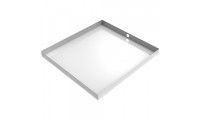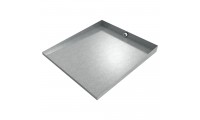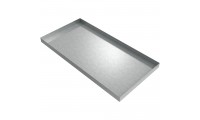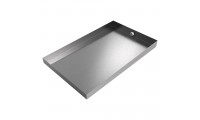





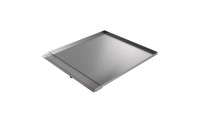
A spill tray, also commonly know as a drip pan, is an important part of any spill
containment program.
A spill tray should possess the following vital attributes.
A spill tray should be accessible and portable when necessary. In some instances
a spill tray will remain in location under a potential spill area. However, in other
instances you may store the spill tray for use only if or when a spill occurs. If
you intend to store your spill tray make sure that it is accessible and portable.
Make sure your spill tray is made of appropriate materials. You do not want to have
a light plastic spill tray for an acid leak! Use a spill tray that will stand up
to what is spilled into it.
Is your spill tray big enough? Make sure that your spill tray is large enough to
hold the contents required. Nothing is worst than thinking you have a spilled cover
and then realizing that they tray is too small during the spill. If your potential
spill will involve a source (continuing flow) you may consider a drain pan solution
or multiple spill trays until the source can be shut down.
Also always know the condition of your spill trays. Trays made out of plastic can
be damaged over time with cracking from exposure to heat. Heavy objects can crush
thin metal spill trays. Make sure that you are aware of the location of your spill
tray and whether it is in working order or not.